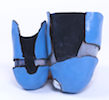
My senior industrial design project was completed over two quarters (20 weeks) with additional time spent after I graduated to get additional feedback and to build the prototype. The first half of the project was centered on research, while the second half focused on design finalization.
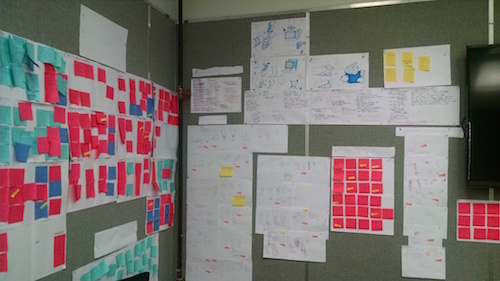
I wanted to work on a project that combined my knowledge of industrial design with biomechanics, so I chose to develop lower limb prosthetics. I started by conducting an extensive literature search to learn more about the prosthetics, how they worked, and what sort of problems existed. I categorized the research to identify key areas that were causing amputees problems. I decided to focus on the prosthetic socket and how to improve it after synthesizing the results.
I built a relationship with Ashley*, a local above-the-knee amputee, who was willing to help me with my design. I decided to continuously reach out to her throughout the project to get feedback and user input. She agreed, and we embarked on the design journey with an in-depth interview.
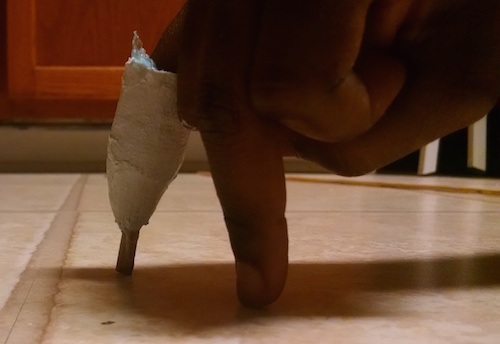
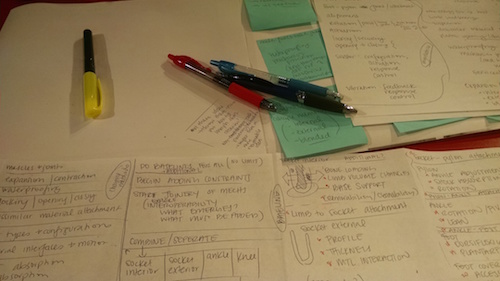
I synthesized the notes from the interview with my observations and drew various sketches to visualize different processes. I conducted a personal experiment to get a better understanding of the experiences she described.
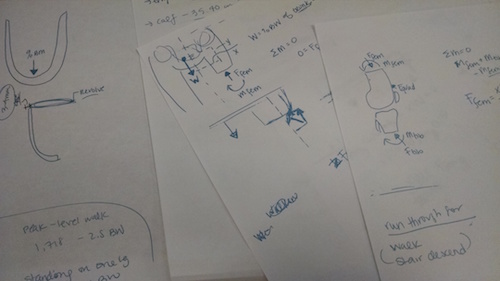
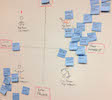
I moved into the 2nd quarter with some exploratory builds and initial ideas to analyze. I explored a few of the biomechanical forces involved and evaluated analogous designs across different industries. Next, I aggregated key information to define my functional requirements.
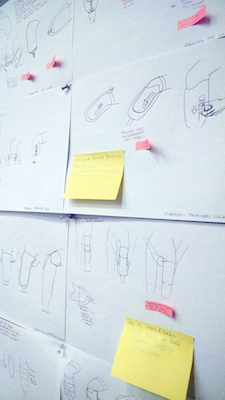
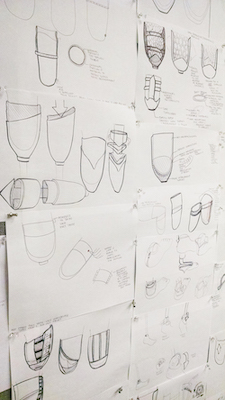
After I defined my requirements, I sketched a myriad of ideas that would allow for the limb to expand and contract throughout the day. I received additional feedback from Ashley* to gain her insight.
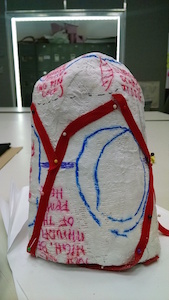
Next, I began a more hands-on approach to determine where the stretch zones should be. I built a small plaster model that I marked with potential expansion areas.
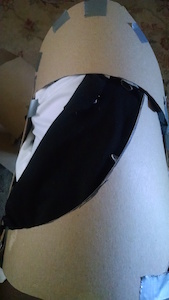
My next step was creating cardboard mock-up designs on my leg to see how different designs worked on an actual body.
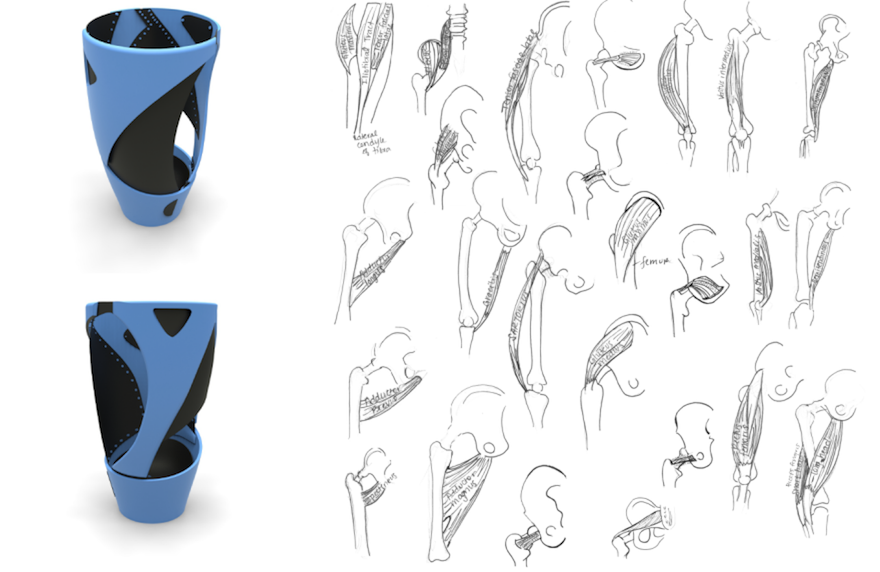
I used the cardboard mock-ups to move to the next phase, where I generated a muscle map. I did this to ensure the proper muscles and structures were supported. After completing the muscle map, I sketched a design and built a SolidWorks model.
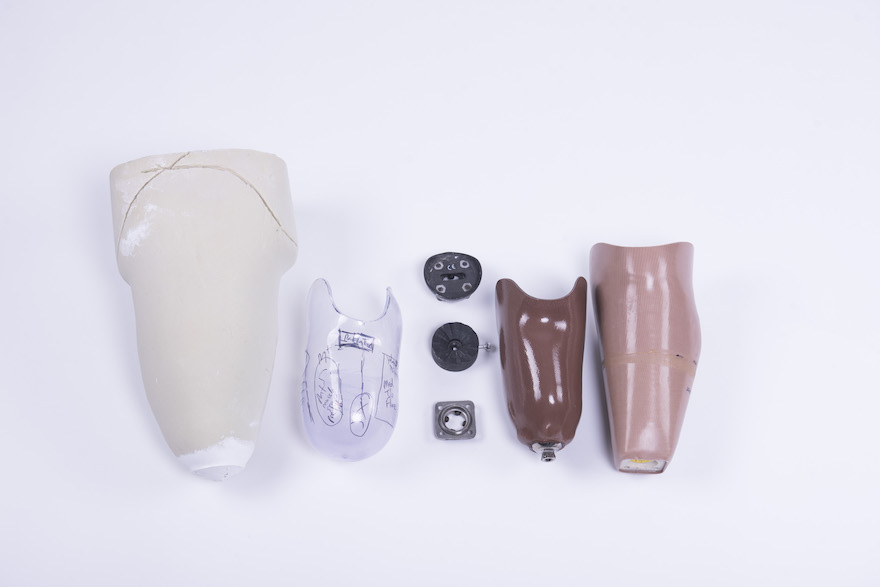
I went to Ashley* with the design and received feedback from her regarding what should be modified or changed. After making edits, I began the process of developing a more detailed prototype. I started by researching how sockets were built. I located a prosthetist and a charity who were willing to give me parts and guidance.
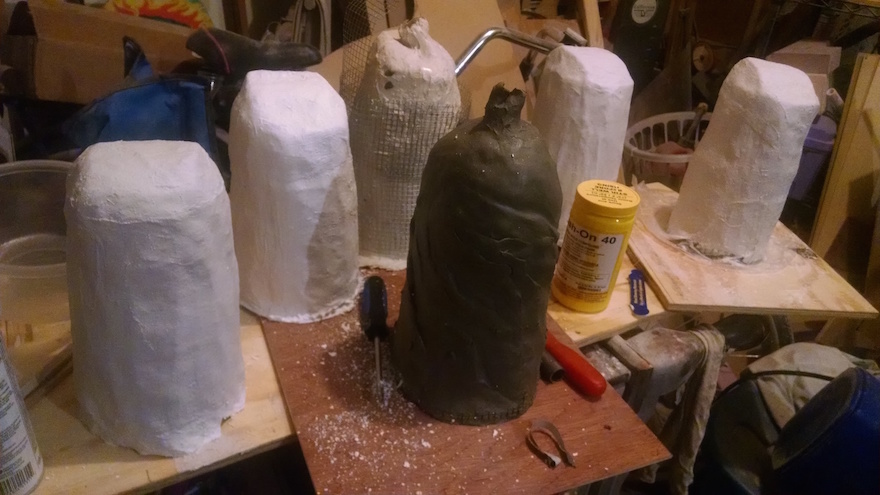
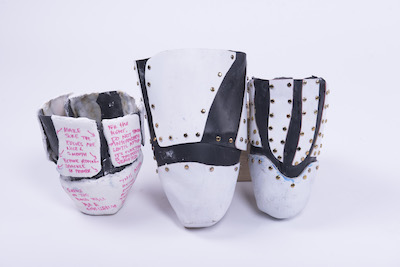
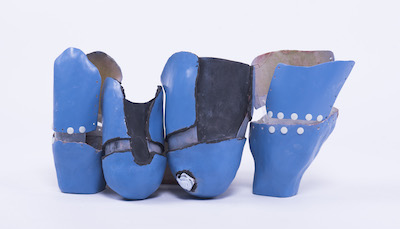
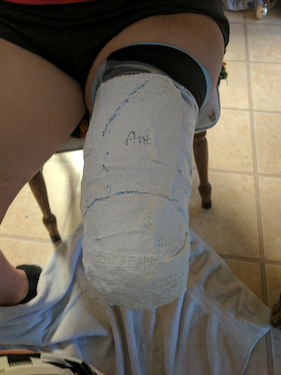
I used the information to cast the limb of James*, a below the knee amputee, who agreed to help and review the design. I used these casts to build a few rounds of prototypes.
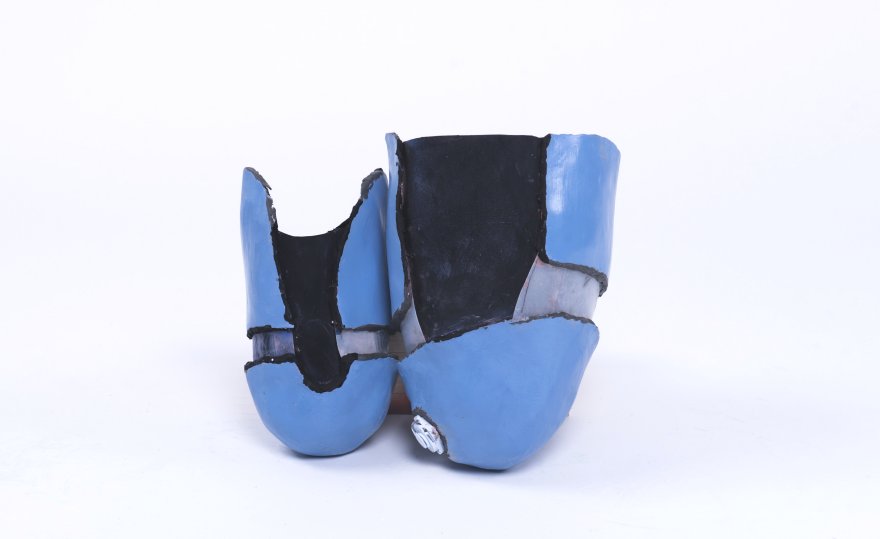
I took two prototypes to Tom*, double below the knee amputee, and a prosthetist in Savannah. They gave me insight regarding design perception, what worked well, and what should be adjusted.
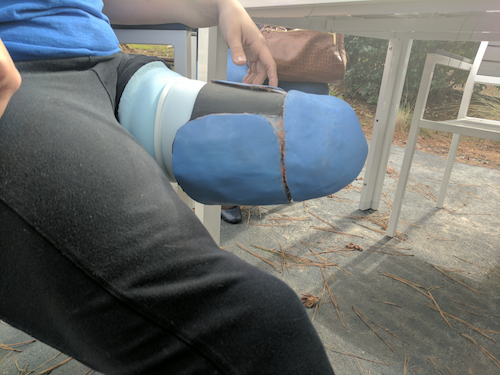
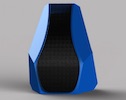
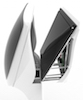
I applied their feedback to produce the final design that I showed to Ashley*. I cast her limb before building the final two sockets. After I completed the builds, I had Ashley* try on her custom build for design evaluation.
Afterward, I brought the sockets to a prosthetist for a final assessment. At the end of the discussion, it was determined that the design needed highly specialized and advanced materials to be successful in the field. This would reduce the instances of failure due to repeated stretching and stress. However, despite the determination, the project showcased the value of involving end-users in the design process.
*Amputee names have been changed to protect their privacy.